All about Matcha
history, culture, cultivation, harvesting, processing, benefits and more
History & Culture
Matcha originated in China over 1,000 years ago during the Tang and Song Dynasties, when tea was steamed, dried, and ground into powder to be whisked with hot water. In 1191, the Buddhist monk Eisai brought this powdered tea to Japan, where it became closely tied to Zen practice.
Japanese monks used matcha to stay alert during meditation, and over time Japan refined cultivation techniques—especially shading the tea plants—to create the bright green, umami-rich matcha known today. In the 16th century, tea master Sen no Rikyū formalized the Japanese tea ceremony, establishing matcha as a symbol of mindfulness and simplicity.
By the 20th century, matcha expanded into everyday foods and drinks, and in the 21st century it rose to global fame as a superfood prized for its antioxidants, calm energy, and vibrant flavor.
Today, matcha blends ancient tradition with modern wellness, enjoyed worldwide in ceremonies, cafés, and creative cuisine.

Matcha Production
Organic matcha begins in traditional, chemical-free tea gardens where plants grow in harmony with nature. As spring approaches, farmers shade the fields to enrich the leaves’ vibrant color and natural umami. Only the youngest leaves are handpicked, then steamed, dried, and stone-ground to preserve their purity and vitality. The result is authentic matcha rooted in centuries of care and craftsmanship.

01. Shade Growing
Shading begins 20–30 days before harvest, when tea plants are covered with straw mats or blackout nets that block 70–90% of sunlight. In this low-light environment, the leaves produce extra chlorophyll and L-theanine, creating matcha’s deep green color and smooth, sweet umami flavor. At the same time, catechins decrease, reducing bitterness. This careful shading softens the young leaves and concentrates their nutrients, forming the foundation of premium ceremonial-grade matcha.


02. Harvesting
Matcha harvesting is a careful, seasonal ritual that begins with selecting only the youngest, most delicate spring leaves. After weeks of shade growing, skilled farmers handpick the top buds and tender leaves at their peak of sweetness and vitality. Each leaf is handled gently to preserve its color, freshness, and nutrients.
03. Steaming
Immediately after harvest, the tea leaves are lightly steamed to halt oxidation and preserve their bright color, fresh aroma, and natural nutrients. This quick, gentle process keeps the leaves soft and vibrant, ensuring the smooth flavor and quality essential for premium matcha.


04. Cooling
After steaming, the tea leaves are rapidly cooled to stabilize their fresh color, aroma, and nutrients. This quick cooling prevents residual heat from causing oxidation or quality loss, ensuring the leaves stay vibrant and ready for gentle drying.
05. Drying
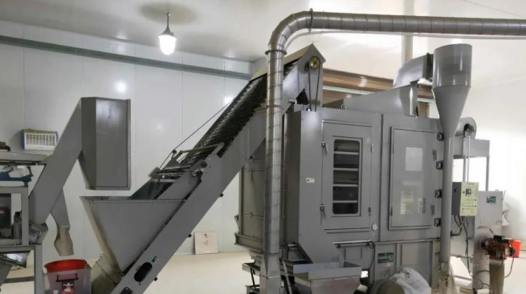
After cooling, the steamed leaves are gently dried with warm, controlled air to remove excess moisture while preserving their bright color, delicate flavor, and nutrients. This step transforms the soft leaves into a light, pliable form, preparing them for the next stages of refining and sorting.


06. De-stemming & 07. De-veining
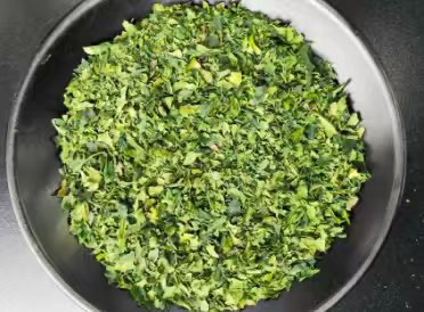
The leaves are carefully sorted to remove stems and veins, leaving only the soft, nutrient-rich leaf material. This de-stemming process ensures a smoother texture, deeper color, and cleaner flavor, creating the pure leaf flakes.
08. Drying & 09. Tencha
After further drying to reduce the leaf’s moisture content below 5%, the remaining soft leaf flakes are known as tencha. Unlike other teas, tencha is never rolled, allowing it to retain its smooth flavor, vibrant green color, and high nutrient integrity.


10. Sterilization & 11. Grinding
Tencha is ground into fine matcha powder using traditional stone mills or modern ball grinders. The controlled, low-speed grinding prevents heat buildup that could dull matcha’s color, aroma, and nutrients. Though this slow process yields only a small amount per hour, it ensures the silky texture, vibrant green hue, and delicate flavor that define true ceremonial matcha.
12. Packaging
Once finely ground, matcha is packed with professional care to protect its freshness, color, and aroma. We offer a wide range of ready-to-use packaging options to suit different needs, including convenient single-serve sticks, airtight resealable bags, elegant tins and cans, and durable barrels and boxes for bulk storage. Each packaging type is designed to shield matcha from light, air, and moisture—ensuring it reaches you as vibrant, flavorful, and nutrient-rich as the day it was ground.


Matcha Grades
Ceremonial, Premium, and Culinary
Boca Village Organic Matcha offers three grades—ceremonial, premium, and culinary—based on the parts of the tea leaves used and the timing of the harvest.


Ceremonial Grade
Ceremonial grade matcha is smooth, naturally sweet, and vibrant green, made from young first-harvest leaves. It’s nutrient-rich, low in bitterness, and best enjoyed as traditional hot tea or tea shot.
Premium Grade
Premium grade matcha is slightly more bitter than ceremonial grade but less intense than culinary grade. Sourced from the first and second harvests, it is more affordable and often consumed plain, sweetened with juice, or used as a substitute for culinary grade.


Culinary Grade
Culinary grade matcha is versatile for baking, smoothies, and drinks. Made from second-harvest leaves, it has a bolder, more bitter taste, and works well in recipes where its strong flavor stands out. Although primarily for cooking, some also enjoy it on its own.
“Whether you’re a matcha enthusiast enjoying it at home, a business importing matcha, or a company that uses or sells matcha, we’ve got you covered. We offer competitive pricing, exceptional quality, and personalized service to fit your needs.”

Boca Village Matcha